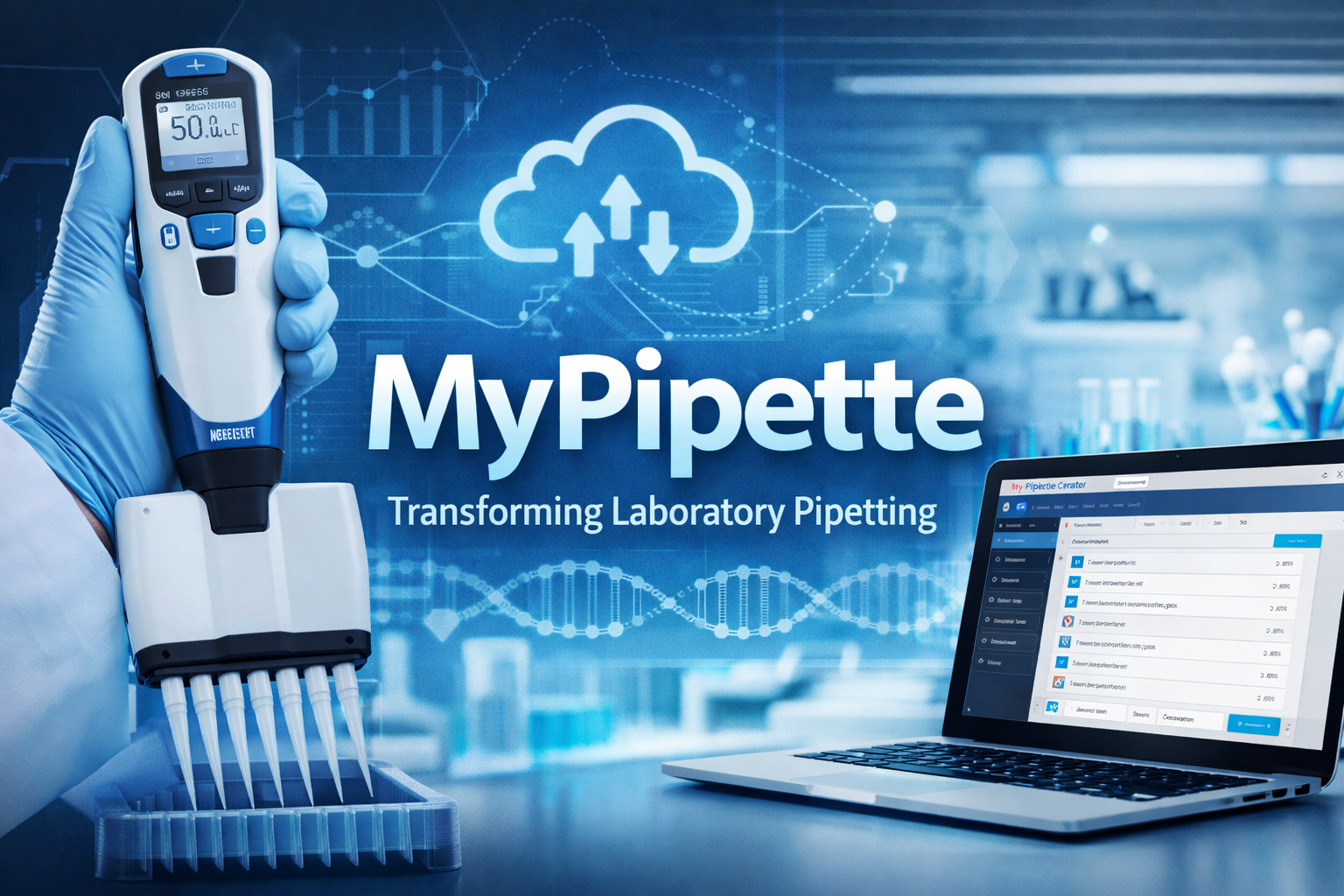
MyPipette: Transforming Modern Laboratory Pipetting and Workflow Efficiency
Introduction to MyPipette
In modern scientific laboratories, accuracy and consistency are critical factors that determine the success of experiments. Researchers working in fields such as biotechnology, pharmaceuticals, clinical diagnostics, and chemical analysis rely heavily on precise liquid handling. Even the smallest measurement error can influence experimental outcomes, affect reproducibility, and compromise research results. As laboratories continue to adopt advanced digital tools and automation technologies, new solutions have emerged to improve pipetting efficiency and workflow management. One such innovation is MyPipette, a system that represents the evolution of traditional pipetting into a smarter, connected, and more collaborative process.
MyPipette refers to a digital ecosystem designed to simplify and standardize pipetting procedures in modern laboratories. It is closely associated with connected electronic pipettes and cloud-based platforms that allow scientists to create, store, and share pipetting protocols with ease. By integrating digital technology with laboratory equipment, MyPipette helps researchers maintain accuracy, reduce manual errors, and improve productivity across complex scientific workflows. As laboratories increasingly move toward automation and smart laboratory systems, MyPipette plays a significant role in supporting reliable experimental practices.
Understanding the Role of Pipetting in Scientific Research
Pipetting is one of the most fundamental techniques used in laboratory research. Pipettes are specialized instruments designed to measure and transfer small volumes of liquid with high precision. These instruments are essential in experiments that involve chemical reactions, DNA analysis, drug development, and clinical testing. Scientists depend on pipettes every day to ensure that liquids are transferred accurately between containers, test tubes, microplates, and other laboratory vessels.
In many experiments, liquids are measured in microliters or milliliters. When working with such small volumes, even a slight deviation can significantly impact results. For example, in molecular biology experiments such as polymerase chain reaction (PCR) or enzyme assays, the accuracy of pipetting directly influences the reliability of the results. Traditional manual pipettes require researchers to adjust volumes and perform liquid transfers manually, which can be time-consuming and sometimes prone to human error. This is where modern systems like MyPipette become valuable, as they introduce digital precision and automated workflow management into the pipetting process.
What Is MyPipette and How Does It Work
MyPipette is commonly described as a connected pipetting system that combines electronic pipettes with digital software tools. The system allows scientists to design pipetting protocols on a computer or web-based platform and then transfer those protocols directly to compatible electronic pipettes. By doing so, researchers can automate repetitive liquid handling tasks and ensure that experiments follow consistent procedures.
The concept behind MyPipette is centered on simplifying laboratory workflows. Instead of manually programming each pipette or performing repeated liquid handling steps, researchers can create standardized protocols and store them in a digital environment. Once these protocols are saved, they can be reused, shared with colleagues, or transferred to multiple pipettes in the laboratory. This capability ensures that researchers working in different teams or locations can perform experiments using the same procedures, which improves reproducibility and collaboration.
In addition to protocol creation and storage, MyPipette systems often include cloud connectivity. Cloud-based access allows scientists to manage pipetting programs remotely, maintain protocol libraries, and share data across laboratory teams. This integration with cloud technology is part of the broader shift toward connected laboratory instruments and digital laboratory management systems.
The Evolution from Manual Pipettes to Smart Pipetting Systems
The development of MyPipette reflects the broader evolution of laboratory tools. For decades, manual pipettes were the standard instrument used in laboratories around the world. While manual pipettes remain widely used today, advancements in technology have introduced electronic pipettes and automated liquid handling systems that offer greater precision and efficiency.
Electronic pipettes incorporate digital controls and programmable settings that allow users to perform complex liquid handling tasks with minimal effort. These pipettes can execute functions such as multi-dispensing, mixing, and sequential pipetting. MyPipette builds upon these capabilities by introducing digital connectivity and centralized protocol management. By linking pipettes with software platforms, laboratories can standardize procedures, reduce manual adjustments, and ensure that equipment operates according to validated protocols.
This shift toward smart pipetting systems represents an important step in laboratory automation. As research environments become more data-driven and collaborative, tools like MyPipette help laboratories maintain efficiency while preserving the accuracy required for scientific experiments.
Key Features of MyPipette Systems
Digital Protocol Creation and Storage
One of the most significant features of MyPipette systems is the ability to create pipetting protocols digitally. Researchers can define specific parameters such as liquid volumes, dispensing steps, mixing sequences, and repetition cycles. These protocols are stored in a digital library, allowing scientists to access them whenever needed. This eliminates the need to manually reprogram pipettes for every experiment.
Cloud-Based Collaboration
MyPipette platforms often operate within cloud-based laboratory environments. This allows scientists to share pipetting protocols with colleagues in different departments or research institutions. Collaboration becomes easier because protocols can be accessed and updated in real time. Cloud connectivity also ensures that protocols are securely stored and can be retrieved whenever required.
Integration with Electronic Pipettes
Modern MyPipette systems are designed to work with advanced electronic pipettes. These pipettes can connect to computers or software platforms through USB or wireless communication technologies. Once connected, researchers can transfer pipetting programs directly to the pipette, enabling automated execution of liquid handling steps.
Protocol Libraries and Standardization
Another important feature of MyPipette systems is the availability of protocol libraries. These libraries may include pre-configured pipetting protocols designed for common laboratory assays and procedures. Researchers can download and apply these protocols to their experiments, ensuring consistent and reliable liquid handling practices.
Benefits of Using MyPipette in Laboratories
The adoption of MyPipette technology offers several advantages for modern laboratories. One of the most important benefits is improved accuracy in liquid handling. Because pipetting protocols are digitally programmed and automated, the risk of human error is significantly reduced. This leads to more reliable experimental results and improved reproducibility.
Another key benefit is increased laboratory efficiency. By automating pipetting workflows and storing protocols digitally, researchers can save time that would otherwise be spent manually programming pipettes or repeating routine tasks. Laboratories that handle large volumes of experiments can particularly benefit from the productivity improvements provided by MyPipette systems.
MyPipette also supports better collaboration between scientists. When protocols are shared digitally, researchers working in different teams or locations can perform experiments using identical procedures. This consistency is especially valuable in large research projects, pharmaceutical development, and clinical testing environments where standardized workflows are essential.
In addition, MyPipette systems contribute to laboratory organization and data management. Digital protocol libraries and connected equipment allow laboratories to maintain clear records of procedures and experimental workflows. This level of documentation can support quality control, regulatory compliance, and long-term research analysis.
Applications of MyPipette in Scientific Fields
MyPipette technology is used across a wide range of scientific disciplines. In biotechnology laboratories, researchers rely on accurate pipetting for experiments involving DNA sequencing, cell culture, and genetic analysis. The ability to automate pipetting protocols helps ensure that experiments are performed consistently and efficiently.
Pharmaceutical research laboratories also benefit from MyPipette systems. Drug discovery and development involve complex experimental procedures that require precise liquid handling. By using digital pipetting platforms, pharmaceutical companies can maintain standardized workflows and reduce the risk of experimental errors.
Clinical diagnostic laboratories represent another important application area for MyPipette technology. Medical tests often require precise measurement of reagents and biological samples. Accurate pipetting is essential for producing reliable diagnostic results. By integrating electronic pipettes with digital protocol management, clinical laboratories can improve the accuracy and reliability of their testing procedures.
Academic research institutions also use MyPipette systems to support teaching and experimentation. Students and researchers can access predefined protocols and learn standardized laboratory techniques more easily through digital pipetting platforms.
MyPipette and the Future of Smart Laboratories
The development of MyPipette technology reflects a broader transformation taking place in modern laboratories. As scientific research becomes more complex, laboratories are adopting digital tools that improve automation, data management, and collaboration. Connected laboratory instruments are becoming increasingly common, allowing scientists to integrate equipment with software platforms and cloud services.
In the future, MyPipette systems may integrate with other laboratory technologies such as laboratory information management systems (LIMS), automated liquid handling robots, and artificial intelligence tools. These integrations could enable laboratories to analyze pipetting data, monitor equipment performance, and optimize experimental workflows automatically.
The concept of a fully connected laboratory environment is becoming more realistic as digital technologies continue to evolve. MyPipette represents an important step in this direction by combining precise liquid handling with modern digital infrastructure. As laboratories continue to embrace automation and data-driven research, tools like MyPipette will play a key role in shaping the next generation of scientific experimentation.
Conclusion
MyPipette represents a modern approach to laboratory pipetting that combines electronic pipettes with digital protocol management and cloud-based collaboration. By enabling researchers to create, store, and share pipetting workflows, the system helps laboratories improve accuracy, efficiency, and experimental consistency. As scientific research continues to advance and laboratories adopt smarter technologies, MyPipette demonstrates how digital innovation can enhance traditional laboratory techniques.
Through features such as automated protocol programming, cloud connectivity, and integration with electronic pipettes, MyPipette supports reliable and standardized liquid handling across a wide range of scientific fields. From biotechnology and pharmaceutical research to clinical diagnostics and academic laboratories, the system provides valuable tools for improving laboratory workflows. As the future of scientific research moves toward automation and connected laboratory environments, MyPipette stands as an example of how technology can transform even the most fundamental laboratory practices.